Showing posts with label Nissan. Show all posts

Thursday, October 7, 2010

2010 Nissan 370Z Fully Exposed_Best Automotive Class

2010 Nissan 370Z Fully ExposedYou all may have seen plenty of posts and images of what the new 2010 Nissan 370Z would look like but now it is official. Here are photos of the new Nissan 370Z. Do not feel shameful as it is not a sin to look at this beauty in naked form. Today the Nissan 370Z gets exposed.
we should get even more details and photos at the time of the upcoming LA Auto Show.

2010 Nissan 370Z Fully Exposed Interor2010 Nissan 370Z Fully Exposed Interor

2010 Nissan 370Z Fully Exposed2010 Nissan 370Z Fully Exposed

Saturday, September 11, 2010

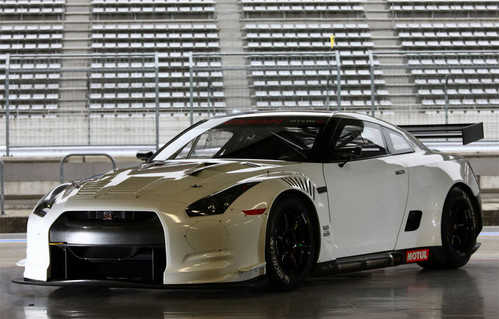
2010 Nissan GT-R FIA GT1 Sport Car

2010 Nissan GT-R FIA GT1 Front Angle2010 Nissan GT-R FIA GT1 Front Angle

2010 Nissan GT-R FIA GT1 Side View2010 Nissan GT-R FIA GT1 Side View

2010 Nissan GT-R FIA GT1 Rear View2010 Nissan GT-R FIA GT1 Rear View

2010 Nissan GT-R FIA GT1 Interior2010 Nissan GT-R FIA GT1 Interio

Wednesday, March 24, 2010

2010 Nissan Navara ST-X Pictures

2010 Nissan Navara ST-X Front Angle View2010 Nissan Navara ST-X Front Angle View

2010 Nissan Navara ST-X First Look2010 Nissan Navara ST-X First Look

2010 Nissan Navara ST-X Side Angle View2010 Nissan Navara ST-X Side Angle View

2010 Nissan Navara ST-X Car Engine2010 Nissan Navara ST-X Car Engine

2010 Nissan Navara ST-X Rear Angle View2010 Nissan Navara ST-X Rear Angle View

Monday, March 22, 2010

Tuesday, March 9, 2010

2011 Nissan Micra Pictures

2011 Nissan Micra Front View2011 Nissan Micra Front View

2011 Nissan Micra Car Picture2011 Nissan Micra Car Picture

2011 Nissan Micra Side View2011 Nissan Micra Side View

2011 Nissan Micra Interior2011 Nissan Micra Interior

2011 Nissan Micra First Look2011 Nissan Micra First Look

2011 Nissan Micra Gauges2011 Nissan Micra Gauges

2011 Nissan Micra Rear View2011 Nissan Micra Rear View

Monday, February 22, 2010

Nissan 370Z

Nissan 370Z


The new Nissan 370Z sports a shorter wheelbase, greater use of lightweight body materials, new engine with more horsepower and a new 7-speed automatic transmission with paddle shifters, as well as the world's first synchronized down/up shift rev control system for the manual transmission.
The full measure of the new model, designated the Nissan 370Z, one need look no farther than the subtle upswept line of the new rear quarter window. Quintessentially Z, the window is reminiscent of the original 1970 Nissan 240Z - a car that revolutionised the sports car world with its unique combination of performance, style and, especially, value. The new Nissan 370Z continues this philosophy, offering accessible performance, true sportscar handling and athletic, agile design.

The New Exterior: More athletic, more muscular, 100% Z.
The 2009 370Z's dynamic new styling offers dual benefits - a more aggressive appearance and a lighter, tighter structure for enhanced performance. The new Z's wheelbase is nearly 100mm shorter than the previous generation Nissan 350Z (2550mm versus 2650mm), accomplished by moving the rear wheels forward in the 2nd generation FM platform, while overall length is reduced by 70mm (4250mm versus 4320mm). At the same time, the overall width been increased by 33mm and the rear track by 55mm.


The more compact exterior dimensions and expanded use of lightweight materials help reduce weight, while at the same time the body structure has been extensively reinforced, improving rigidity.
Along with its new structure and stance, the Nissan 370Z has a taut new skin - one that looks completely new, yet completely Z. The exterior design incorporates intentional 240Z styling cues, a sleek aerodynamic shape, a "dynamic motion" feel with a dramatic cantilevered roof (with Nissan GT-R styling cues) and a "low visual gravity."

The 370Z's sleek silhouette is defined by its upswept quarter window design that is echoed by the dynamic upward curvature in the lower rocker panel and the sense of the taut sheet metal molding itself around the wheels and frame. Attention to detail and functionality is evident throughout the exterior design, including the addition of a turn indicator integrated into the Z logo mounted between the front wheel and door.

The Nissan 370Z Interior: putting the driver at the heart of the action
The interior design of the new Nissan 370Z continues the Z tradition of enhancing driving pleasure, no matter what the road or traffic conditions offer. Additionally, particular attention has been paid to the quality of the material, as well as the fit and finish.
The traditional 2-seat layout is built around a deeply scooped instrument panel with a full-length centre console separating the driver and passenger's seat. In the rear is an open luggage area with enhanced storage and accessibility.
The information layer provides enhanced visibility with easy access to all key data. The gauges are once again attached to the steering column, so the driver doesn't have to choose between the perfect steering wheel position and visibility of the gauges.


The Interior packaging is also enhanced from the previous generation, including the removal of the rear strut brace (replaced with less intrusive structural reinforcements) and by adding a new "shelf" area behind the seats, creating an ideal area for storing briefcases. A retractable cover is standard on the 370Z and locking glove compartment has been added.
Life on board has been improved thanks to the addition of an engine start and stop button, larger diameter dials and thanks to the use of premium-feel material on seats, armrest and door trims (depending on grade).

3.7-litre engine: the Z's heart and soul
As its new moniker suggests, the new Nissan 370Z is now powered by a 3.7-litre VQ37VHR engine with VVEL (Variable Valve Event and Lift). Along with its larger displacement, the new engine gives better power delivery all the way to the 7,000 rpm redline, improved low-end power and more high-end torque, creating an entirely new driving experience. Approximately 35 percent of the engine's parts are new, versus the previous design. Power is rated at 331PS, while torque is 366Nm. Engine output, figures for Europe are subject to homologation.
The new engine is backed by a choice of two new advanced transmissions, both designed to improve driver performance. The newly improved close-ratio 6-speed manual gearbox includes the world's first synchronized down/ up shift rev control system, which allows drivers of any skill level to experience perfectly smooth gear shifts every time. T

Nissan GT-R SpecV

Nissan GT-R SpecV


The SpecV model includes unique body, interior and performance equipment and modifications, raising the GT-R's unmatched performance to even higher levels. Developed around the multi-dimensional Nissan GT-R sports car, which was introduced just more than one year ago to universal global acclaim, the new SpecV model builds on the original's "ultimate supercar that anyone can enjoy driving anywhere, at anytime" philosophy - taking it to an entirely new level of "oneness between man and machine."


The Nissan GT-R SpecV's new exterior features include a carbon fiber rear spoiler, a carbon fiber grille, and carbon fiber brake ducts. The SpecV is available exclusively in Ultimate Black Opal (RP) body color. Inside, the SpecV's unique two-seat interior (non-SpecV GT-R models also include a two-place rear seat) offers special Recaro carbon fiber bucket seats, while carbon fiber insets embellish the rear center storage box, instrument panel and other trim areas.

The Performance is enhanced with a new high gear boost control device, which momentarily increases boost of the engine's twin turbochargers for greater torque in the intermediate-to-high speed ranges to provide a more powerful feeling of acceleration, while also allowing the engine to operate at a lower speed for improved fuel economy. Other modifications include a titanium-coated exhaust system and carbon-ceramic brakes that provide powerful stopping performance.

The Nissan GT-R SpecV is also equipped with lightweight, racing-style forged aluminum wheels that were developed for this model and have been sold by Nissan Motorsports International (NISMO) since September 2008. The lighter unsprung weight provided by the new wheels, together with the enhanced braking capability, an exclusive suspension and high-grip tires, combine to deliver the SpecV's exceptional performance.

Nissan Nuvu Concept

Nissan Nuvu Concept


The Nissan Nuvu is a concept vehicle with unique 2+1 seating. It is easy to drive, even easier to park. It is the key solutions for tomorrow's city car."
The Nissan Nuvu is described as a moving oasis, a haven of green tranquillity in the urban jungle. To underline this message, Nissan Nuvu incorporates a witty representation of its green credentials: across its all-glass roof are a dozen or so small solar panels. Shaped like leaves on a branch, the power they generate is fed to the battery using a 'tree trunk' within the car as a conduit. Nissan Nuvu also uses natural, organic and recycled materials within the cabin.

The interior package
The dimensions provide all the interior room needed for the vast majority of city journeys. Nissan Nuvu has two regular seats and a third occasional chair that can be folded down when required. But, unlike some two-seater city cars currently on the market, it is a thoroughly practical proposition with an integral luggage area providing sufficient space for a typical supermarket or shopping expedition.

The packaging is designed to give priority to driver comfort with C-segment levels of space and the flexibility to invite one or two passengers on board. Cabin layout places the regular passenger seat beside but largely behind the driver's seat, allowing the passenger to stretch right out. Ahead of this seat is a third occasional chair which, when not in use, is folded away into the dashboard assembly.
But even when the third seat is in use, there remains sufficient legroom for both passengers.
In the interests of saving both weight and space, the third seat has a centre section made from hardwearing yet comfortable netting. This hammock-like approach also has the benefit of allowing cool or warm air to circulate around the occupant's body for extra comfort.
Shopping bags, briefcases and smaller items of luggage can be stowed behind the driver's seat while if the driver is travelling solo, larger items can be stowed in the passenger footwall.
The Natural materials
Many of the materials used inside Nissan Nuvu reflect an increasing concern for the environment. The floor is made from wood fibres pressed into laminate sheets and is studded with rubber inserts made from recycled tyres for grip.
To create a light and bright interior, the windscreen and roof merge into one extended panel running virtually the entire length of the car. But undoubtedly the most unusual feature of the interior is the 'energy tree' which rises from the luggage compartment floor to the roof behind the driver's seat.

The Solar panels
The energy tree is shaped like a thin trunk. As it reaches daylight it branches out under the glass roof providing occupants with protection from bright sunlight… just like a real tree. And providing a visual reminder of Nissan Nuvu's green credentials, covering the branches are dozens of small solar panels shaped like leaves.
The panels absorb energy from the sun which is then fed back down the energy tree and used to help recharge the battery and provide an extra power boost for the electric motor. As well as being genuinely green energy, it is estimated that the power generated via the solar panels will save the equivalent of one full overnight charge from mains electricity each month.

Driver controls are as simple as possible. All the major functions - steering, braking, transmission and throttle - are 'By-Wire' while the steering is controlled by an aircraft-style steering yoke: with just one turn from lock to lock, the steering is very direct for agility and manoeuvrability in the city. Nuvu's turning circle is just 3.7 metres. Thanks to its wide track and the use of 16 inch 165/55 tyres mounted on lightweight, almost transparent, wheels, ride comfort, stability and agility is of the highest order.
There are two pedals - for stop and go - stalks for minor controls and a digital instrument panel with dials for speed, distance covered and battery range.

Rear view/parking monitor
Two screens on the dashboard display the view behind the car - there are no door mirrors to disturb the airflow, but small cameras - and double as monitors for the Around View Camera which give a bird's eye view of the car when manoeuvering or parking.
Saving energy was the guiding force behind the use of low-energy LED head and tail lamps, while Nissan Nuvu's heating and ventilation system filters and cleans the city air as it passes through the vehicle. Not only does it produce no emissions at source, but Nissan Nuvu actually helps clean up the city environment.

The exterior and interior design
Nuvu's design is further clear evidence of Nissan's continued desire to challenge convention and to explore all the possibilities that the EV could bring us. In many ways it was inspired by our two most extreme EVs of recent times: Mixim and Pivo 2.
Significantly, though, Nuvu delivers a more realistic interpretation of two of the most important aspects of its forerunners - the 'Friendly Innovation' found in Pivo 2 and the 'Sports Dynamics' central to Mixim

Matching the ecological values of an electric vehicle, the moulded plastics and synthetic elements found inside a typical production car have been replaced by natural materials and organic alternatives, such as the wood fibres and rubber from car tyres used for the flooring. The result helps create a relaxed, warm atmosphere within Nuvu's cabin.

EV drivetrain
Nissan Nuvu is more than a styling concept of a future EV. It is a fully working mobile test bed for much of the technology that will be used in Nissan's production EV to be launched in 2010. For this reason elements of its technical specification are being kept secret for the time being.
The electric motor used in Nissan Nuvu is mounted at the rear of the vehicle and drives the back wheels, though neither its exact specification nor the power and torque figures are being released at this stage. A driving range of 125 kms and top speed of 120 km/h are being made public, however.

Li-Ion battery
Similarly although it can be revealed that the batteries used are of the latest laminated lithium-ion type and have a capacity of 140 Wh/kg (watt-hours per kilogram), the total capacity of the batteries and number of modules are not being disclosed at this stage.

Unlike a conventional lithium-ion battery with its bulky cylindrical cells, the laminated Li-Ion battery as used in Nissan Nuvu has thin laminated cells and fewer components overall. This boosts its power by a factor of 1.5 at the same time as halving its physical size. It also remains twice as efficient as a conventional cylindrical Li-Ion battery even after five years or 100,000 kms of continuous usage.
Its compact size allows the batteries to be mounted under the seats and the vehicle's flat floor, thus helping to keep the centre of gravity as low as possible.
A quick charge from empty to full should take between 10 to 20 minutes while a full charge should take between three to four hours from a domestic 220V socket.